What Is Bitcoin? A Complete Beginner's Guide
Bitcoin is the world's first decentralized digital currency and remains the largest cryptocurrency by market capitalization. Since its creation in 2009, Bitcoin has transformed the financial landscape and introduced millions of people to blockchain technology, digital assets, and decentralized finance.
Crypto AI Trend · 5 min read

On this page
Whether you are completely new to cryptocurrency or looking to better understand Bitcoin's role in the global economy, this guide explains what Bitcoin is, how it works, and why it has become one of the most discussed financial innovations of the modern era.
What Is Bitcoin?
Bitcoin is a digital currency that allows people to send and receive value over the internet without requiring a central authority such as a bank or government.
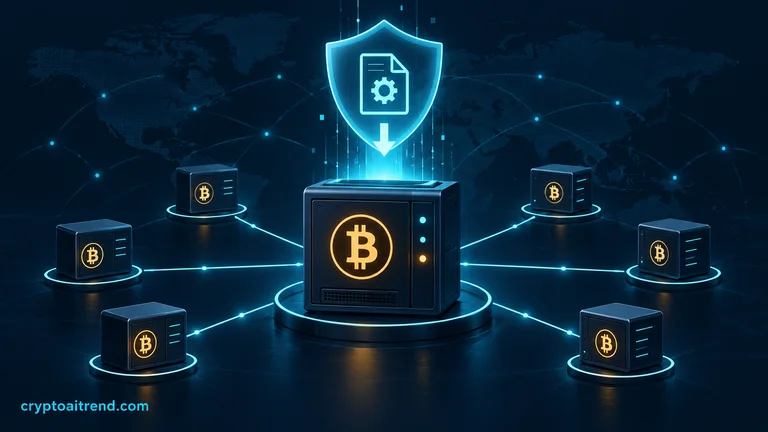
Unlike traditional currencies, Bitcoin operates on a decentralized network maintained by thousands of computers around the world.
This means:
- No central bank controls Bitcoin.
- No government issues Bitcoin.
- No single company owns Bitcoin.
- Transactions can occur directly between users.
Bitcoin was designed to function as a peer-to-peer electronic cash system that allows secure and transparent transactions without intermediaries.
Who Created Bitcoin?
Bitcoin was introduced in 2008 by a person or group using the pseudonym Satoshi Nakamoto.
Satoshi published a document called the Bitcoin Whitepaper, which described a decentralized payment system that could operate without relying on financial institutions.
The Bitcoin network officially launched in January 2009.
To this day, the true identity of Satoshi Nakamoto remains unknown.
Satoshi Nakamoto
How Does Bitcoin Work?
Bitcoin operates on a technology called blockchain.
The blockchain acts as a public ledger that records every transaction ever made on the network.
When someone sends Bitcoin:
- A transaction is created.
- The transaction is verified by the network.
- The transaction is added to the blockchain.
- Ownership is updated.
Because thousands of independent computers maintain copies of the blockchain, the system remains highly secure and resistant to manipulation.
What Makes Bitcoin Different?
Bitcoin differs from traditional currencies in several important ways.
Decentralization
No central authority controls Bitcoin.
The network is maintained by participants worldwide.
Limited Supply
Only 21 million Bitcoin will ever exist.
This fixed supply makes Bitcoin fundamentally different from fiat currencies, which can be created by central banks.
Transparency
All Bitcoin transactions are recorded on a public blockchain.
Anyone can verify transaction history.
Accessibility
Bitcoin can be sent globally without requiring a traditional banking system.
Why Does Bitcoin Have Value?
Many new investors ask:
"Why is Bitcoin worth anything?"
Bitcoin derives value from several factors:
- Scarcity
- Security
- Network effects
- Global accessibility
- Decentralization
- Investor demand
Just as gold derives value from scarcity and trust, Bitcoin derives value from its limited supply and growing adoption.
What Is Bitcoin Mining?
Bitcoin mining is the process used to secure the network and verify transactions.
Miners use specialized computers to solve complex mathematical problems.
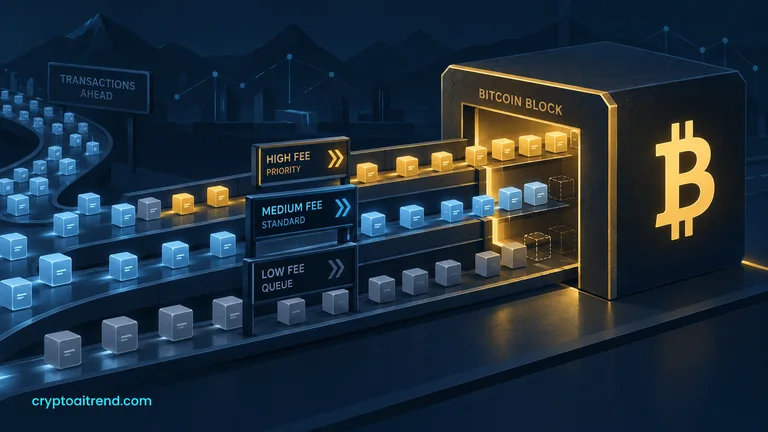
In return, miners receive newly created Bitcoin and transaction fees.
Mining serves several purposes:
- Secures the network
- Verifies transactions
- Distributes new Bitcoin
- Maintains decentralization
What Is The Bitcoin Blockchain?
The blockchain is the technology that powers Bitcoin.
A blockchain is a continuously growing chain of blocks that contain transaction records.
Each block is linked to the previous block, creating a secure and transparent history of all activity on the network.
Because changing past records would require enormous computational resources, the blockchain is highly resistant to tampering.
What Are Bitcoin Wallets?
Bitcoin wallets allow users to store, send, and receive Bitcoin.
Wallets do not actually hold Bitcoin itself.
Instead, they store the private keys required to access Bitcoin on the blockchain.
Common wallet types include:
- Mobile wallets
- Desktop wallets
- Hardware wallets
- Web wallets
Security is critical because anyone with access to private keys controls the associated Bitcoin.
What Is Bitcoin Used For?
Bitcoin has several use cases.
Store Of Value
Many investors view Bitcoin as digital gold.
Investment Asset
Bitcoin is widely traded and held as a long-term investment.
International Transfers
Bitcoin can be transferred globally without traditional banking systems.
Portfolio Diversification
Some investors use Bitcoin to diversify traditional investment portfolios.
What Affects Bitcoin Price?
Bitcoin prices are influenced by:
- Supply and demand
- Adoption
- Market sentiment
- Institutional investment
- Network growth
- Whale activity
- Economic conditions
Because many factors interact simultaneously, Bitcoin can experience significant volatility.
Is Bitcoin Safe?
The Bitcoin network itself has proven remarkably secure over time.
However, investors still face risks, including:
- Price volatility
- Exchange security issues
- User mistakes
- Regulatory uncertainty
Understanding these risks is essential before investing.
Why Bitcoin Matters
Bitcoin introduced the concept of decentralized digital money and demonstrated that financial systems can operate without centralized control.
Its influence extends beyond cryptocurrency and has inspired thousands of blockchain projects worldwide.
Whether viewed as an investment, a technological innovation, or a new form of money, Bitcoin remains one of the most important developments in modern finance.
Frequently Asked Questions
What is Bitcoin?
Bitcoin is a decentralized digital currency that operates without a central authority.
Who created Bitcoin?
Bitcoin was created by a person or group using the pseudonym Satoshi Nakamoto.
How many Bitcoin will exist?
The maximum supply of Bitcoin is limited to 21 million coins.
Is Bitcoin legal?
Bitcoin is legal in many countries, although regulations vary by jurisdiction.
Can Bitcoin be hacked?
The Bitcoin network itself has proven highly secure, but individual wallets and exchanges can still be vulnerable if not properly protected.
Educational information. Examples and historical outcomes are not investment recommendations or guarantees.